
Where to eat in Asunción is key when family members or business associates come to visit. One of the best ways to make their visit unforgettable is by letting them try typical Paraguayan food.
Stop choosing Italian restaurants, Brazilian rodizios, or American chain restaurants and go local. If you really want to impress them and leave them with the taste of Paraguay on their palates, I recommend taking them where they can taste the authentic cuisine that characterizes this country: typical Paraguayan food. That’s why I’ve written this article on where to eat in Asunción.
In my opinion, as an adopted Paraguayan, someone should take the initiative to have Paraguayan food declared an Intangible Cultural Heritage of Humanity by UNESCO! Luckily, Taste Atlas already agrees with me (modesty aside), choosing vorí-vorí as the most delicious dish in the world.
For those who don’t know what dishes to recommend, I would highlight the following:
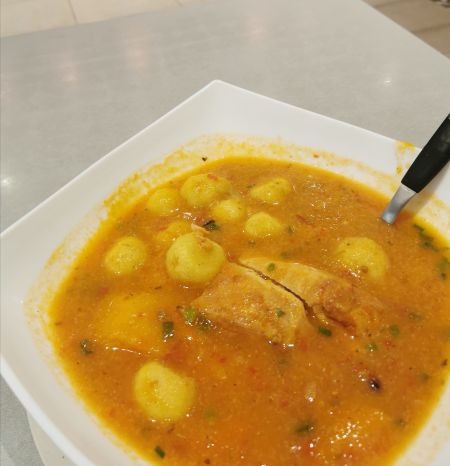
Vorí-Vorí: This is a thick soup with delicious little balls made of cornmeal and free-range chicken. A true delight. Note: chicken in Paraguay is extremely tasty, especially if you’ve lived in countries where chickens are pumped full of hormones and shrink to half their original size when you put them in a pan.
Vorí alone is a great reason to visit Paraguay, and I can’t even begin to describe what it’s like to eat out in Asunción. Quite an experience.
Batiburrillo: Since everyone has their own taste, we recommend that those who love offal like liver, heart, and tongue try this. It’s a delicious stew, not for the faint of heart.
Soyo con tortilla: This dish is a rich meat broth that can be served with bread, boiled cassava (yuca), or green onion tortillas. Ideal for cold days…and for gaining weight.
Pastel mandi’o: (Pronounced pastel mandi-o). Unlike traditional empanadas, these are made with a coating of cornmeal and cassava (yuca) puree. They are one of the most popular traditional foods during the Festivity of Saint John (June 24th), a time when I also recommend visiting Paraguay, as there are countless fascinating traditional celebrations.
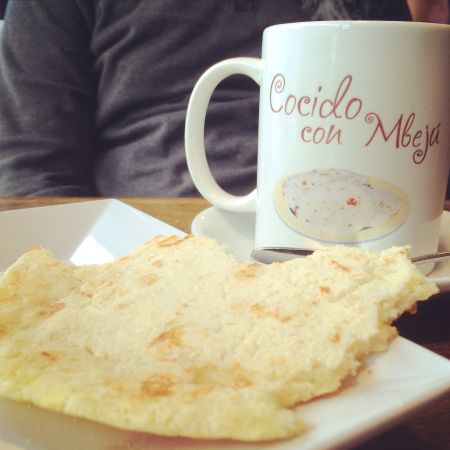
Mbeju: (Pronounced “mbeh-yhoo”). It’s pronounced with an “m” sound. It’s a type of pancake (crepe) made from cassava starch, cheese, and vegetable fat. If your family member or client isn’t convinced by this description, order it as a side dish, but don’t let them leave the country without trying it!
Payagua mascada: (pronounced pah-yah-GWAH mah-SKAH-dah/). It’s the “Guarani hamburger,” although before trying it, you should forget about fast-food chains for a moment, as its flavor and texture are completely different. Also typical of San Juan.
Chipa: : (pronounced shee-pah) It’s a type of ring-shaped bread that’s eaten year-round, but especially during Easter. It’s characterized by being made from cassava starch with a slight anise and cheese flavor. One bite and you’re hooked.
There are other versions of chipa, such as chipa asador, which is cooked over hot coals while skewered on a stick that is turned until cooked through. Or chipa so’o (pronounced soo-oo), which is the original chipa but filled with ground meat.
Another version of chipa is the popular chipita. It can be a great travel souvenir to take back home; your family and friends will appreciate it.
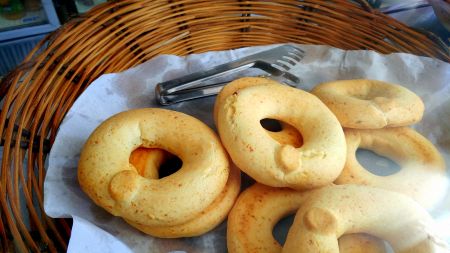
Where to eat in Asunción a good chipa: The first thing you should know is that the earlier in the morning it is, the tastier the chipa is, because that means it’s fresh out of the oven. It’s best eaten warm and freshly baked. Street vendors usually sell them, carrying baskets on their heads. They aren’t always hot, but if you’re not in a hurry, you can heat them up for about 10 – 15 minutes in the oven when you get home and do a good deed by buying them from them.
Please do not microwave them, they’ll become chewing-gum.
Chicharó Trenzado: which means braided chicharó. Pronounced chee – chah – roh tren – sah – doh. It’s a braid made from strips of beef or pork, cooked over charcoal after being marinated in garlic and lemon. Dietetic.
Other dishes worth trying: river fish in all its varieties, milanesa (breaded beef), milanesa napolitana, which is beef covered with a layer of tomato sauce, ham, and cheese—my favorite. I’ll tell you later where to eat all these dishes in Asunción.
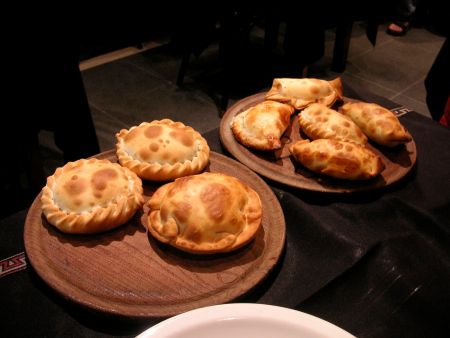
Empanadas: there are ham and cheese, corn, palm heart, beef, and Chilean (also beef, but with raisins). They’re delicious and ideal for not spending too much time eating if you’re visiting the city and want to make the most of your time. Don’t be surprised if they serve them with bread. Here they call it tereré rupá, which translates to “tereré bed,” something to avoid drinking tereré (the national drink) on an empty stomach.
King of Dishes: Asado
Asado deserves its own chapter when it comes to Paraguayan cuisine. This delicacy is the equivalent of Spanish paella, English fish and chips, Moroccan couscous, or Italian pasta. In short, it’s one of the national emblems. A true institution.
When inviting a foreigner to an asado, it’s very important to prepare them for what they’re about to experience. Many mistakenly think that our country’s customs are the same as those of other parts of the world, but that’s a mistake, hence the importance of explaining what an asado is.
For a foreigner to understand the idiosyncrasies of the Paraguayan people, it’s necessary to explain that the concept of time here is different, and that even affects food and the enjoyment of this dish.
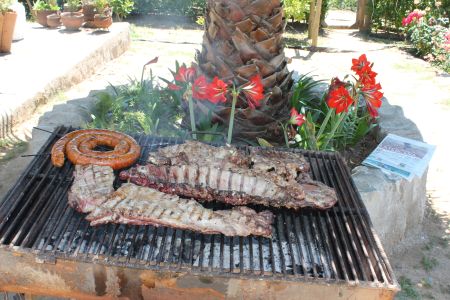
First of all, it’s important to clarify that there are many steakhouses scattered throughout Paraguay, but the truly authentic experience is being invited to eat one in someone’s home. Luckily, you won’t have much trouble making a Paraguayan friend, as they’re very warm and love finding excuses to have an asado.
The second thing is to explain to them that they have to forget about the time and anything that indicates it. However, make it clear that they shouldn’t arrive on time or they’ll find the hosts taking a shower. Furthermore, you won’t ever be invited to an asado with a sentence like this “the asado is at 8:30 pm” but rather with phrases like “the asado is from 8:30 pm”.
It’s not that your guests will arrive at the house where the barbecue is being held and find food waiting for them, no. What will happen is that they’ll arrive and join the grill master as he lights the fire, salts the meat, puts it on the grill, and it cooks.
It’s important to tell them that, part of the fun of an asado, is waiting together for the meat to cook while drinking, chatting, and waiting for guests to arrive. Don’t be surprised if some people arrive three hours after the invitation time. Everyone arrives when they can, and if there’s meat, great, and if not, tough.
As they say: “Qué lo que tanto?! Which means basically “it doesn’t matter”.
In Paraguay, meat is revered, and it’s one of the most popular sources of national pride. It’s no coincidence; several international media claim that the best meat in the world currently comes from this modest country.
When you have guests, explain to them that most men can’t even fry an egg, but asado is their territory, and warn them that if they even think about putting their hand in the grill, they risk turning the parrilla into a crime scene. Don’t touch someone else’s meat/parrilla or you risk getting stabbed
Jokes aside, most foreigners have heard so many wonderful things about barbecue that they save themselves for the big event and go to the barbecue with an empty stomach so they can fill it up properly during dinner.
What most of them don’t know is that they’re going to have to wait until everything is ready, and that usually takes a while, so they typically arrive at the moment the meat is served starving and have a rough time. At least that’s how it was for me the first few times.
Tell them not to go to the event starving. Depending on the grill and its cooking speed, the meat can be ready between 1 hour 30 minutes and 3 hours after being put on the coals.
Luckily, the platters of pre-cooked, chopped chorizo sausages and boiled cassava (yuca) come out an hour after the fire is lit, which is ideal for staving off hunger. However, it’s terrible for getting full, as they say here, “al pedo” (for nothing) because the real treat is the meat.
Once the meat is ready, the grill master will let the diners know so everyone can take their plate and serve the best-looking piece. Once the meat is served, tell your guests to go to the side dish table and help themselves buffet-style. There will always be salads available (all leafy green vegetables in Paraguay are excellent), Paraguayan soup, cassava, and chipa guazú, which we’ll talk about later.
Typical Timeline of a Paraguayan Asado Invitation

- It's usually at 9:00 PM.
- People arrive at least 30 minutes late. Arriving at least 30 minutes late, ensures the fire is at least lit.

- Around 10:00 PM: Appetizers will be served (sausages, cassava, chipaguazú, soup).

- Around 11:00 PM: The meat will be served and everyone will have dinner.
Star Side Dishes for an Asado:
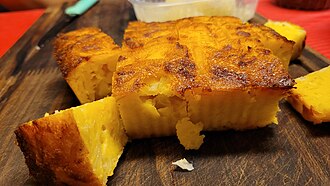
Paraguayan Soup: It’s a sponge cake (yes, sponge cake, not liquid but solid) made of cornmeal, onion, eggs, Paraguayan cheese, milk, salt, and oil. One of the essential side dishes for a good asado.
Let me make a small aside here: For me, Paraguayan soup is a metaphor for the idiosyncrasies of this country. One thing that everyone assumes is a certain way, like the rule: soup = liquid, doesn’t apply here. That’s what I love about this country; things are DIFFERENT here, whether you like it or not.
Let’s get back to our main subject…
Chipa guazú: This is the other essential element without which the event wouldn’t be complete. At first glance, it looks similar to Paraguayan soup, but it tastes different and, in my opinion, tastier..
Boiled cassava: No asado is complete without boiled cassava. A type of boiled potato that absolutely goes with the meat.
Once the dishes are served, everyone sits wherever they like, and the grill master stays on guard in front of the grill in case anyone wants seconds. It’s a classic to encourage foreigners to eat more since asado is normally a treat to them, but be careful! Meat is hard to digest at night, so prepare your guests with a good tea to help them settle their stomachs.
What’s really fun at an asado is seeing a pattern that repeats itself time and again: “men with men and women with women,” especially after eating. As I mentioned, once dinner is over, it’s common for the men and women to separate into groups and continue their conversations, each with their own style and subjects.
Where to Eat in Asunción
The Classics:
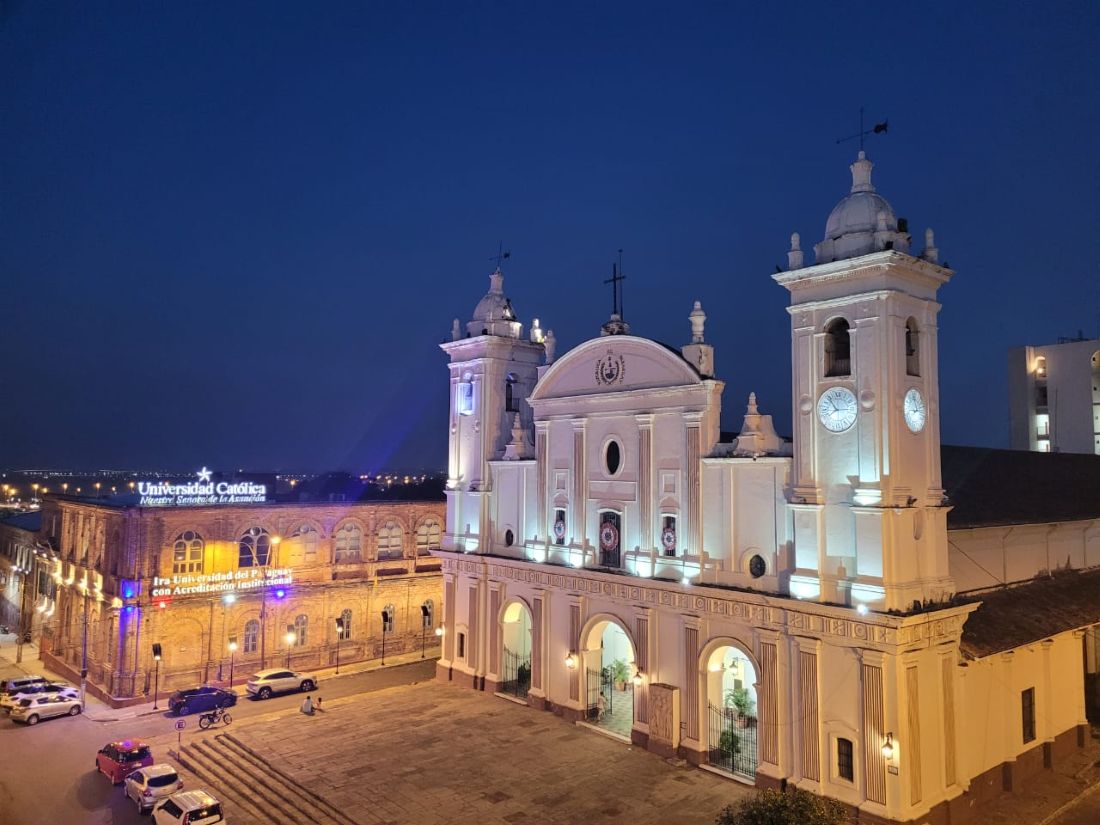
El Lido Bar: Located in front of the Cathedral and now with a rooftop terrace offering views of the Cathedral and the Bay of Asunción (you can see the view in the picture above).
El Bolsi: Located at Estrella 339, corner of Alberdi, in the heart of Asunción. The pacu (type of fish) at El Bolsi is one of the highlights of their menu.
Bar San Roque: Eligio Ayala, corner of Tacuary. It’s one of the oldest restaurants in Asunción. Over 100 years old, it’s a pleasant place to enjoy traditional dishes.
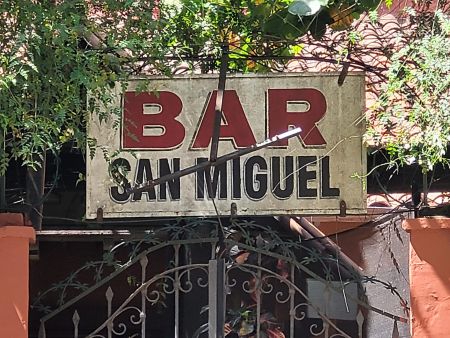
Restaurante San Miguel: Avenida España, between Washington and Padre Cardozo. Trying the milanesas at this restaurant, especially the milanesas napolitana, will make you want to return to this city. Trust me!
La Paraguayita: Avenida Brasilia, corner of Siria. A classic spot to devour an asado if you don’t have the chance to be hosted in one at a house while being in the city.
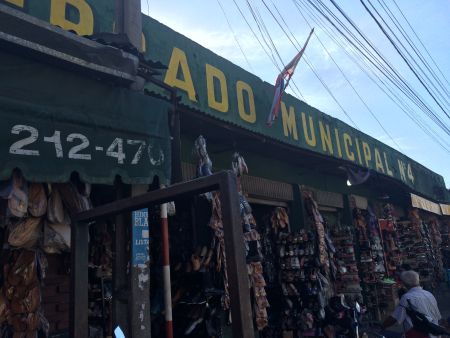
El mercado 4: If you want to know where to eat in Asunción more originally, you have Market 4. To get there all you have to do is enter the market via Battilana Street, a small street lined with stalls that branches off from Silvio Pettirossi Avenue. At the next corner, turn left until you reach a building (the Municipal Market). Go up the ramp or ask for directions, and you’ll find the Market 4 food court, where you’ll find all kinds of Paraguayan dishes at affordable prices. I really love this place.
Paraguayan food is delicious, and if you’re having dinner with visiting family or a business lunch, don’t miss the opportunity to impress them with the local cuisine by reading and sharing this guide on where to eat in Asunción.
How to Love Paraguay is a bilingual website about Paraguayan culture. We invite you to explore the cultural events calendar and the Asunción Guide, or join us on a guided tour.
If you’d like your restaurant featured in this blog post (paid service), please contact us. If you’d like to invest in Paraguayan history and culture, here are our packages.
Thank you for reading. Share this blog post so more people can learn about Paraguay and its culture. See you soon!