
Paraguay has countless tourist attractions, but in most cases, information on how to reach them is scarce. Apart from that, Paraguayans often state that there’s not much to do in their country, so this article will introduce you to eight tourist attractions in Paraguay to ensure your visitors have an unforgettable stay.
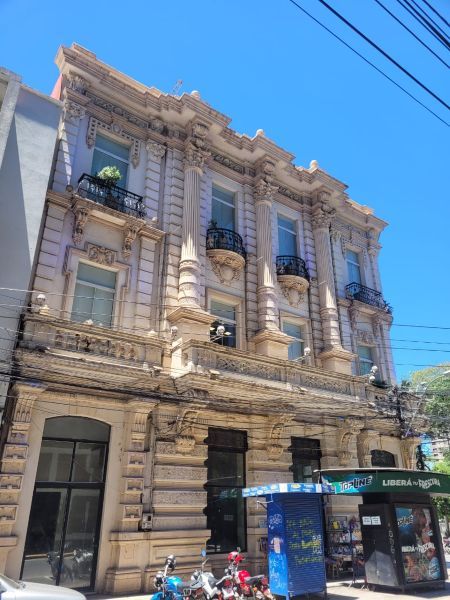
8 tourist attractions in Paraguay
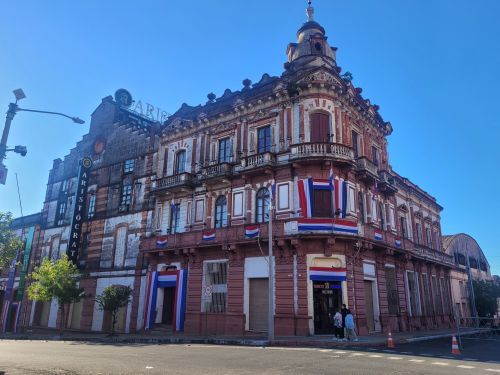
Asunción: Paraguay’s capital is much more than just a shopping mall, which is what many people know it for. I recommend planning your outings based on your guests’ interests. For example, if they want to learn about the country’s history, there’s nothing better than visiting the cathedral, the Cabildo, the Pantheon of Heroes, the López Palace, and the House of Independence.
If your guests are interested in nature, you can take them to the riverfront promenades, the Guasu Metropolitan Park, or Parque de la Salud (ID required for entry). If they prefer birds, take them on a short tour of the Paraguay River, departing from the port or the various docks along the riverfront between Montevideo Street and Asunción beach.
If you’re too lazy to scort your visitors, you can always gidt them with the first Illustrated Guide to Asunción, which will allow them to explore independently and discover the country’s history, architecture, gastronomy, and notable figures. Download the Asunción Guide here.
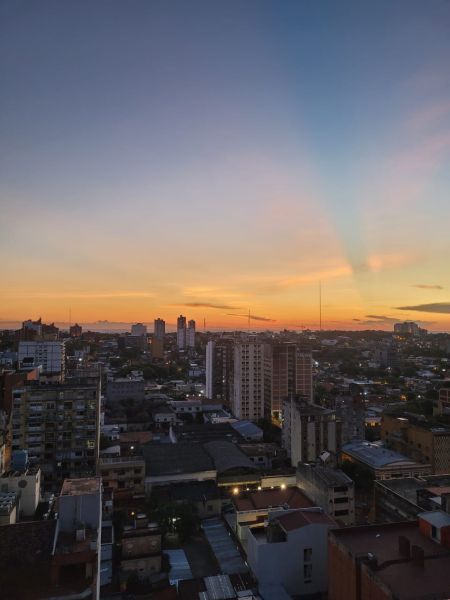
Areguá: Just a few kilometers from Asunción, on the shores of Lake Ypacaraí, lies this city with a small-town feel. Stroll along its central promenade, lined with well-preserved colonial-style houses. Walk to the church, where you’ll have a panoramic view of the lake that inspired the guarania song “Recuerdos de Ypacaraí” (Memories of Ypacaraí), a romantic melody that evokes an event by its shores.
Don’t miss the opportunity to play the song for your guests, even if you or they don’t understand Spanish. Music transcends time and overcomes barriers, so it’s sure you’ll touch their hearts. While you’re at it, tell them that the guarania is a musical genre created in Paraguay that has been a UNESCO World Heritage Site since 2024.
After this, head to the Areté Cultural Center and the Lake Cultural Center. The former houses a beautiful collection by the artist Lucy Yegros, a woman who represents a generation of Paraguayan artists. The same is true of Ysanne Gayet; both are contemporary, great painters, beloved by all, and role models for their art and their contributions to the Paraguayan people.
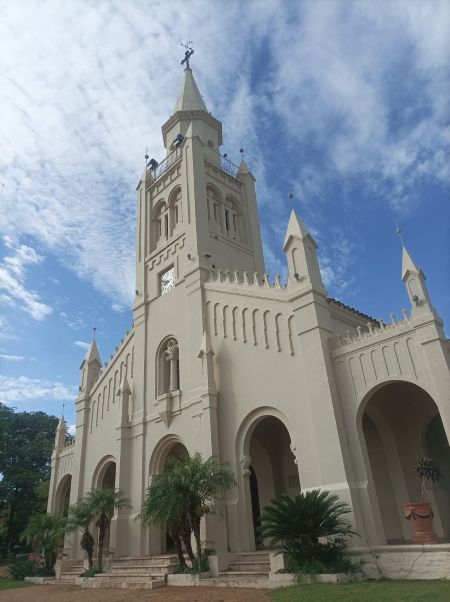
After these two visits, walk down the double avenue to the old train station, the one that connected Asunción with Areguá, and imagine times gone by, when cars played a secondary role and everything moved at a slower pace.
At the beginning of the 20th century, Areguá was where the “chuchis” (the way here are called upper-class families) spent their summers. This city was their place of rest.
Continue down to the lake and pay the entrance fee of 5,000 guaraníes per person and 10,000 guaraníes per car. Don’t hesitate to pay, as they maintain the lake’s surroundings and docks, preserving the public space.
Another interesting fact is that Areguá is known as the city of artists due to the large number of artists who live there. If you are an artist living in Areguá, please contact me. I’m interested in mapping them all.
If you’re still eager to explore further, don’t miss Cerro Koi, a small hill that you can easily climb. It features unique hexagonal rock formations, only visible in a few countries around the world.San Bernardino: The first attraction of arriving in this beautiful city is the road leading there, which also features a bike path for travelers who enjoy cycling. The enjoyment begins on the road itself, with stunning scenery that will keep you entertained all the way to your destination.
Upon arrival, explain that this is now a popular vacation spot for wealthy families from Asunción. Most of them are here in January, which is high season, so I recommend avoiding it. Personally, I prefer the calm of the rest of the year.
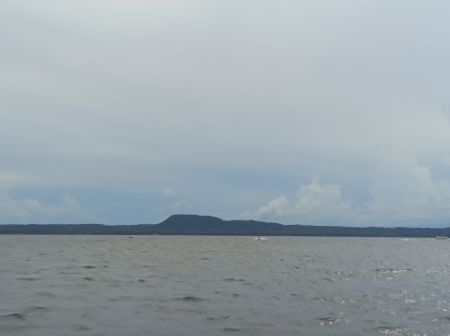
Take your visitors for a stroll along the lakefront, and show them Cerro Patiño, visible from San Bernardino beach, the place that inspired the author of The Little Prince, whose last name was Saint-Exupéry. Remember the boa that ate the elephant? Well, that’s Cerro Patiño.
Saint-Exupéry was a French pilot who, in 1929, landed his biplane on Lake Ypacaraí to establish new commercial routes for the French airline Aéropostale. He stayed at the Hotel del Lago, another of the city’s attractions, now sadly closed to the public.
The Hotel del Lago is one of the most iconic and oldest hotels in all of Latin America. The family that runs the hotel recently announced they are preparing for a future reopening, so we eagerly await it.
Take your visitors along the street that leads to the church and, if they still have energy, go up the hill to see the views. Personally, I prefer the view of the church and its houses to the hilltop.
End your visit by taking your guests along the pedestrian street and letting them savor local delicacies like the guava pastries from La Alemana.
Paraguayan Chaco: If you have a friend with a ranch in the Chaco, don’t miss the opportunity to go with them. The Chaco landscapes are unique and defined by coconut palms, which accompany you along the way. Take them to see the animals, the reservoirs (artificial lakes where animals drink water), take them for a horseback ride, or teach them how to milk a cow.
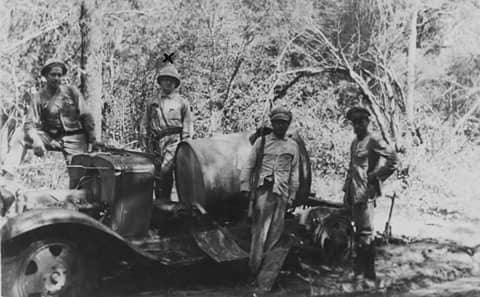
Perhaps Paraguayans find these kinds of activities uninteresting, but foreigners tend to crave contact with nature and being near animals. Show them on a map how vast the Chaco is and explain that Paraguay was at war with Bolivia from 1932 to 1935.
Both countries waged a diplomatic battle for over 80 years to try to reach an agreement on who would keep which lands. When they failed, war broke out, and it was decided in Paraguay’s favor by a key factor: water.
The Chaco territory is so hostile, with such high temperatures and such scarce water, that Paraguay won the war more through its knowledge of the terrain and its discovery of water sources than through its weapons. Both sides suffered greatly, but Paraguay also had the advantage of Guaraní, the language used to exchange strategic information that led to victory.
For the reasons explained above, traveling to the Chaco region in summer is not recommended. In fact, I recommend checking with locals to see if it’s possible to go in spring, autumn, or winter (sometimes it rains and the roads are cut off). It’s an environment as beautiful as it is harsh, so it’s essential to be prepared and go with people who know the land.
Encarnación: Nothing is more incredible for visitors accustomed to ocean beaches than seeing a river beach with their own eyes. Encarnación is doing its homework and is not only taking advantage of the river’s potential but also its historical buildings and culinary attractions.
Avoiding peak tourist season is important in this case; in fact, this advice applies to any beach destination. In my opinion, crowds of tourists detract from the charm of any place.
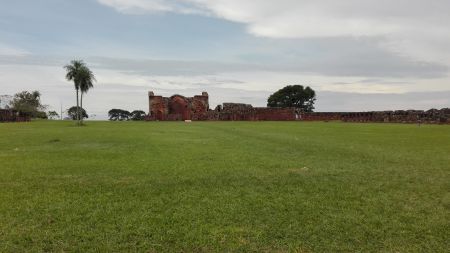
Misiones Jesuíticas: This is one of Paraguay’s major tourist attractions. Any of Paraguay’s Jesuit missions will impress tourists with their history. Prepare a short summary so they can understand the work of the Jesuits and the activities that took place there.
The Trinidad mission is the most impressive. It also offers a nighttime tour with special lighting and music by Domenico Zipoli, allowing visitors to experience and, above all, dream imagine life in times of colonization. Contact SENATUR for more information.
Monday falls: If you’re taking your visitors to Iguazu Falls, you can start by showing them Monday Falls, a natural haven located right next to Ciudad del Este with a viewpoint and a restaurant where you can stop and relax. It’s a place with a breathtaking natural display, but it’s best visited before Iguazu Falls, otherwise you risk them not being impressed by the views.
There’s currently a park for outdoor activities. If you’ve visited, please comment below about what there is to do and whether you recommend it.

Represa de Itaipú: One of the world’s largest hydroelectric power plants. While its construction required one of the greatest environmental crimes in history, it is a massive source of clean energy serving several Brazilian states and all of Paraguay. A true masterpiece of 20th-century engineering and definitely one of Paraguay’s top tourist attractions.
I hope you found this article helpful. My name is Rosa Grimaldi, and through www.howtoloveparaguay.com, I map all the cultural wonders to see in Paraguay (places, artists, heritage, etc).
If ypu have a hotel, bar, restaurant, coffee shop and you’d like to be featured on the website, please get in touch. Our site currently has a strong international presence, with visitors from 85 countries around the world.
If you need a guided tour (ES/EN/FR/PT/IT/CAT/GUARANÍ) get in touch. If you prefer to travel alone, go and check the available routes here.